
Date : June 17, 2026
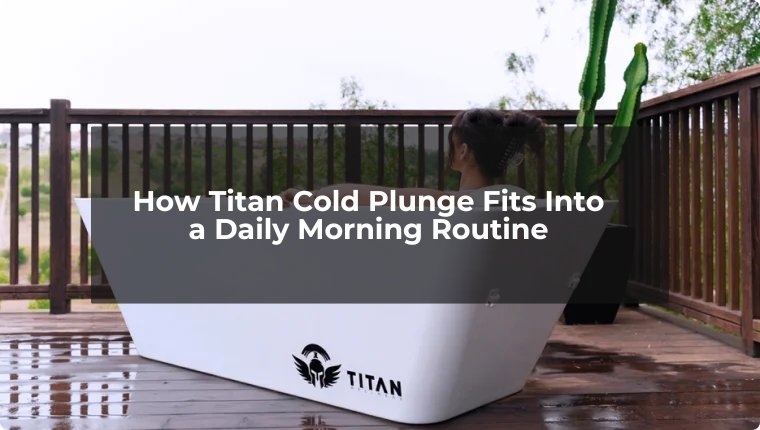
Category: Recovery & Wellness
How Titan Cold Plunge Fits Into a Daily Morning Routine: What Owners Actually Do
Cold plunging sounds simple. Wake up, get in, get out, and that’s it. Most people assume the hard part is the cold. It is not. The hardest part is the morning before the plunge even happens. The ice ran the night before. The water that sat too warm overnight. The 15 minutes spent preparing a setup that should take 30
Cold plunging sounds simple. Wake up, get in, get out, and that’s it.
Most people assume the hard part is the cold. It is not. The hardest part is the morning before the plunge even happens. The ice ran the night before. The water that sat too warm overnight. The 15 minutes spent preparing a setup that should take 30 seconds. That is what breaks the habit, not the cold itself.
People who stick to a cold plunge morning routine long-term share one thing in common. They stopped fighting the setup and built a system that runs itself.
That is what Titan Cold Plunge owners keep reporting across forums, reviews, and owner communities. The cold did not get easier. The morning around it did. Here is what that actually looks like, day to day.
Why Most Owners Plunge in the Morning
Right after waking, core body temperature drops to its lowest point of the day. And this is the moment when cold water is most effective. Because of the contrast, the brain releases norepinephrine. This makes you more alert. Not only this, but it also helps you focus better and gives you a tolerance for stress that lasts all day. The majority of workers experience this impact during the most challenging four to six hours of the workday, according to owners. That is a significant return for only three minutes of chilly water first thing in the morning.
However, that is the physiological side. The practical side is just as important.
Morning sessions are harder to cancel. Evenings fill up fast with meetings that ran long, plans that shifted, and a body that just wants to stop. Mornings are quiet, owned, and uninterrupted for anyone willing to protect that window.
Owners who struggled with consistency for months often point to one change that finally made the habit stick: they moved the plunge to first thing in the morning and stopped negotiating with themselves about it.
For anyone still figuring out where to begin, the guide on starting with Titan Cold Plunge walks through what the first few sessions feel like. And what to expect before a real routine takes shape.
The Actual Morning Routine: A Timeline From Real Owners
Across owner accounts, the morning routine follows a predictable pattern. It is not complicated. That is the point.
Before Getting Out of Bed
Many Titan owners use the WiFi scheduling feature and set the target temperature the night before. So when they get up in the morning the water in the titan is already at a good temperature, usually about 40 to 50 degrees Fahrenheit. This way the Titan is ready to go when they need it.
One verified buyer summed it up clearly: the ability to schedule the chill in advance so the water is ready at the perfect temperature the moment they are ready is what keeps daily use effortless. That level of consistency simply was not possible with ice.
For anyone curious about how the chiller maintains that precision day after day, the piece on Titan chiller daily performance covers exactly how it holds temperature across different weather conditions and climates.
The First Ten Minutes After Waking
One thing that consistent owners do is try to minimize the time it takes to go from waking up to getting in the water. You should get some water, brush your teeth, and then go stroll to the bathroom. It follows the usual pattern.
The logic is based on actions. A refusal to do something grows in the mind the longer one waits after awakening. The brain has very little time to convince itself not to make a decision in a ten-minute window, and decision fatigue is real.
This is where having the water pre-chilled overnight makes a measurable difference. There is no excuse left to delay.
The Plunge Itself
The average owner session runs three to five minutes. Research consistently points to this range as the sweet spot for mood, inflammation reduction, and recovery benefits. Going shorter is fine for beginners. Going much longer does not significantly increase the benefit and raises the risk of overcooling.
The first sixty seconds is where the mental work happens. Owners across platforms describe it the same way: the initial cold shock demands full attention. Box breathing, slow exhales, and focusing on keeping the shoulders submerged are the most commonly reported strategies for getting through it.
After that first minute, most owners report a shift. The urgency drops. What follows is often described as a quiet, focused state that is hard to replicate with caffeine or any other morning stimulus.
For anyone figuring out how long to cold plunge in the morning without overdoing it, the beginner guides and the features explained blog both offer practical benchmarks based on experience level.
The Post-Plunge Window
What happens in the ten minutes after the plunge matters much more than most people realize. A significant portion of Titan owners skip the hot shower immediately after. Instead, they let the body rewarm on its own.
In cold exposure communities, this approach is sometimes referred to as the Soberg Principle. It enables the body to produce heat internally instead of relying on external sources. According to owners, this is typically the point at which they notice the dopamine effect the strongest. It is during the rewarming process, not the plunge itself, that one’s thoughts become clear.
The common pairing during this window: making coffee, doing light stretching, or simply sitting with the morning quiet. It turns ten minutes of recovery into the most focused part of the day.
Morning vs Evening Cold Plunge: Where Most Titan Owners Land Over Time
Both timings work. But the long-term data from owner behavior points in one direction.
Owners who start with evening sessions often report that the alertness spike from cold exposure interferes with sleep. The same norepinephrine release that makes mornings sharper can make evenings harder to wind down. For recovery purposes, an evening plunge has value. For sleep quality, it is a trade-off worth knowing about.
Morning plunges, by contrast, produce what owners consistently describe as a carryover effect. The serenity and concentration you feel after a morning session last all day. It usually lasts through mentally taxing afternoons, difficult meetings, and high-stakes situations.
Most experienced owners who tried both eventually settled on mornings. Not because evenings do not work, but because mornings produce cold plunge daily habit results that compound. The routine becomes identity before it becomes effort.
For a detailed look at how this shift plays out over time, the piece on six months of daily plunging tracks what owners notice as the habit matures.
Why the Titan Setup Makes a Morning Habit Easier to Stick To
The difference between a cold plunge habit that survives three months and one that falls apart in three weeks often has nothing to do with motivation. It has to do with logistics.
Ice bath users face a recurring problem. Buying ice, hauling it, timing the melt, guessing the temperature. One owner described it exactly: spending more time hauling ice than actually being in the water. The physical prep became a bigger hurdle than the cold itself. Switching to the Titan cold plunge setup took away every excuse.
This is the core shift. The Titan Wellness chiller system keeps the temperature the same all the time. People who own this system in Texas and Southern California say it works well. When it is hot outside, even over 100 degrees Fahrenheit, the system keeps the temperature below 45 degrees even in direct sunlight. And for people who live in hot places, a system that works every day is very important. That kind of reliability is what separates a working routine from a broken one.
The build quality plays into this too. Multiple owners across Trustpilot describe the Titan Cold Plunge as offering the structural integrity of commercial-grade tubs at a fraction of the price. One owner who uses it daily put it simply: the materials are high quality, easy to maintain, and it has held up through every session without issue.
For a side-by-side account of what the switch actually feels like, the blog on switching from ice baths to Titan Cold Plunge covers the before and after in detail. And for anyone still on the fence about whether the system delivers over time, real Titan user feedback from verified buyers is worth reading before deciding.
The Routine Works Because the Friction Is Gone
Cold plunging is not complicated. What makes it hard for most people is the setup around it, not the cold itself.
What Titan Cold Plunge owners figured out is that the habit sticks when the system handles the logistics. Pre-scheduled temperature. Consistent cooling. No ice flow. Complete certainty. Just walk out, get in, and get on with the morning.
The timeline is simple. The results, for owners who stay consistent, are not. For anyone considering whether a Titan morning routine is worth building, the answer from the people already doing it every day is consistent: the hardest part was starting. Everything after that got easier.
More owner experiences, verified buyer accounts, and detailed feature breakdowns are available across the titanwellnessreview.com blog for anyone still doing their research.
Frequently Asked Questions
Q: Can the Titan chiller genuinely hold 40°F when it’s sitting outside in 100°F summer heat?
Yes, and this comes up constantly in owner communities for a reason. Owners in Texas and Arizona consistently report that the half-horsepower and three-quarter horsepower units hold between 42°F and 45°F even on the hottest days. The one thing experienced owners recommend is keeping the chiller unit in a shaded spot or under a small ventilated cover. Not because it cannot handle direct sun, but because shade takes pressure off the compressor and extends the lifespan of the unit over years of daily use.
Q: The inflatable tub makes me nervous. Is it actually sturdy or does it feel like a pool toy?
This is the most common hesitation before buying, and the answer surprises most people. Titan uses high-pressure drop-stitch material, the same construction used in inflatable stand-up paddleboards. Once it is inflated to the recommended PSI, the walls are completely rigid. Owners describe being able to sit on the sides without any give. It does not feel like an inflatable. It feels like a tub. The one nuance worth knowing: the inflatable cover, not the tub itself, can lose a bit of air over several months of heavy use.
Q: How often do I really have to change the water?
Far less often than most people expect. Because the system runs a continuous pump with a built-in 20-micron filter and an ozone generator for sanitization, owners typically drain and refill every two to three months. The weekly task is just rinsing or swapping the paper filter cartridge, which takes under five minutes. That is the entire maintenance routine for most owners. One quick filter check a week, one full water change per quarter.
Q: What happens if something goes wrong during setup? I am not particularly technical.
Titan’s customer support handles this differently than most brands. Owners on Trustpilot specifically mention agents reaching out via text or FaceTime to troubleshoot in real time, not email chains that go nowhere. If a part like a ball valve or hose fitting arrives damaged, replacement parts get overnighted at no cost. Several owners who described themselves as completely non-technical said the setup process ended up being far less stressful than they expected because the support was actually reachable.
Q: Is the app reliable or is it one of those features that sounds good but never really works?
The app integration is one of the most talked-about features among long-term owners, and the feedback is consistently positive. The most common use case is setting the chiller to kick on at 4:30 AM so the water hits exactly 45°F by the time the alarm goes off at 6:00 AM. No adjusting, no waiting, no guessing. The water is ready when the owner is. For owners who have built a morning routine around the plunge, this one feature is often what makes the habit automatic rather than effortful.
RECENT BLOGS
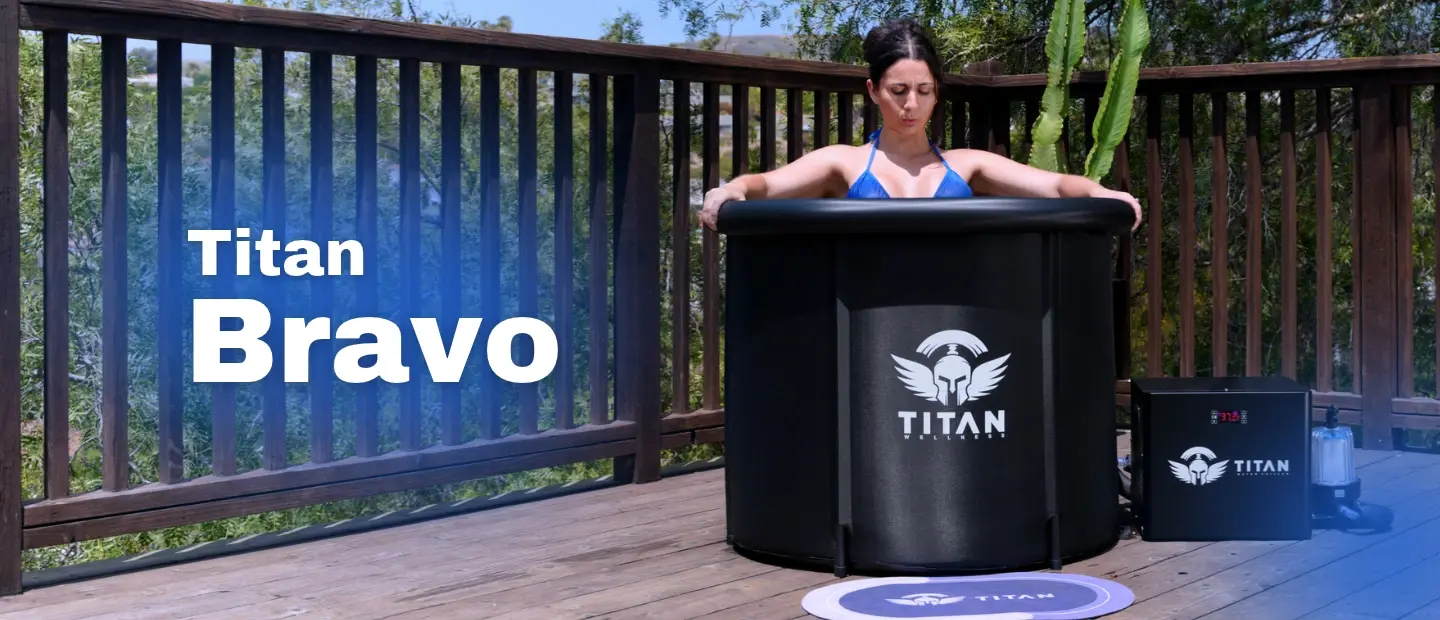
Titan Bravo Review: The Budget Pick Tested by Real Owners
Sep. 18, 2026
Titan Cold Plunge Chiller WiFi App Walkthrough: Every Feature Explained
Sep. 09, 2026Titan Cold Plunge After 1 Year: What Long-Term Owners Actually Report
Aug. 14, 2026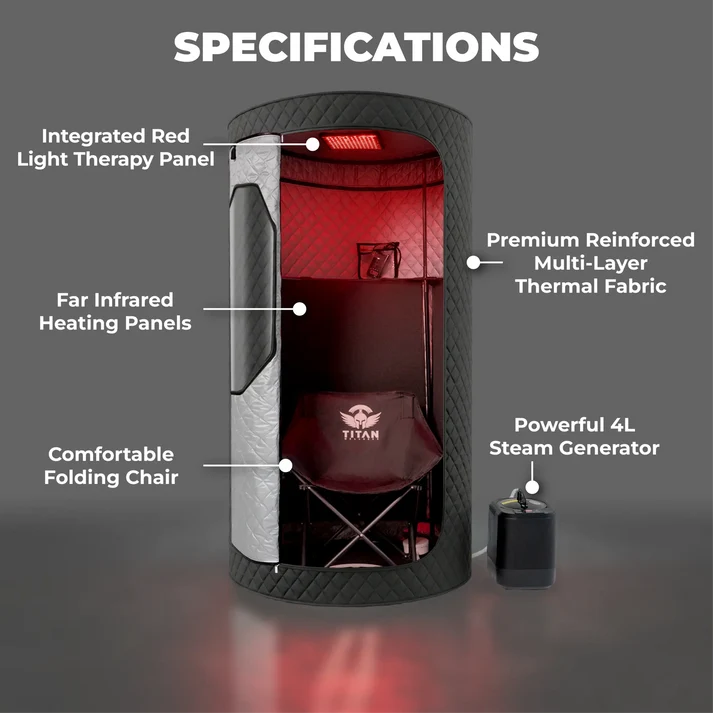
Titan Sauna Duo-Therapy Pro Review: What Buyers Actually Say
Aug. 13, 2026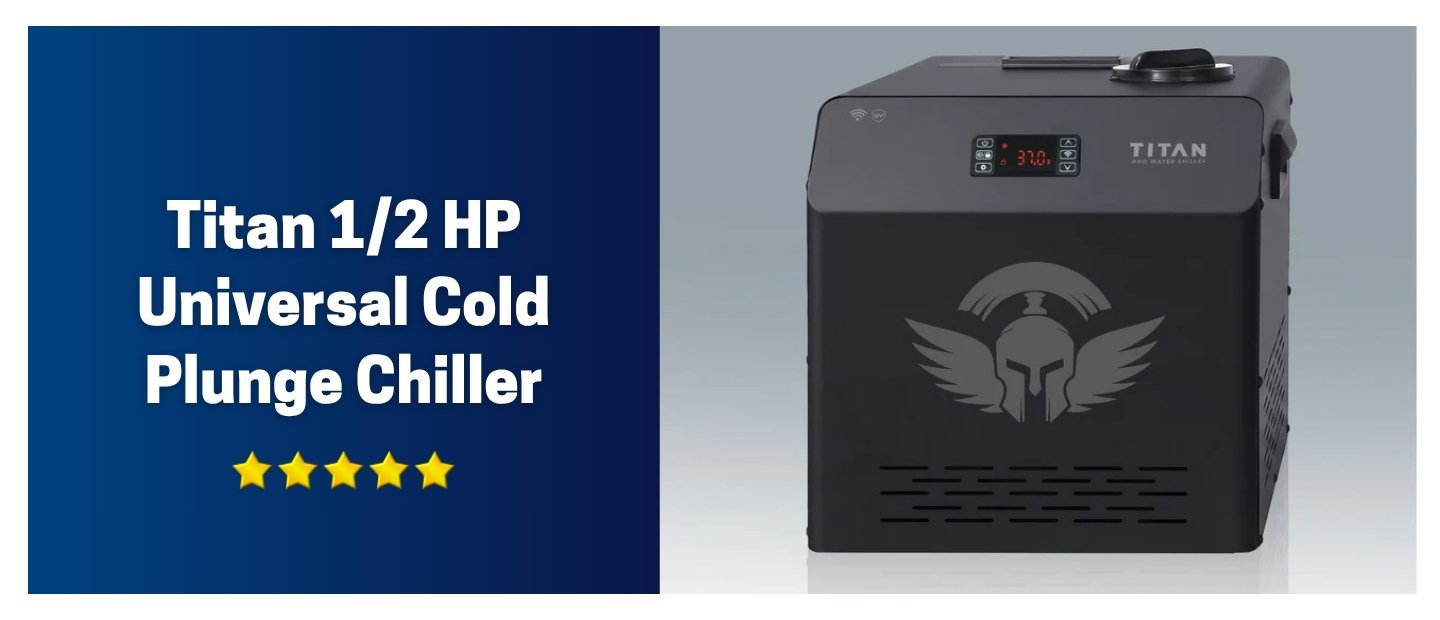
Titan 1/2 HP Universal Cold Plunge Chiller: What Buyers Say About the Most Popular Chiller
Aug. 04, 2026Recent Blogs
Titan Bravo Review: The Budget Pick Tested by Real Owners
The Titan Bravo is Titan Wellness’s entry-level cold plunge system: a 106-gallon inflatable cold plunge tub paired with a 1/3…
September 18, 2026
Read More
Titan Cold Plunge Chiller WiFi App Walkthrough: Every Feature Explained
The Titan Wellness cold plunge chiller WiFi app puts water temperature, session scheduling, and remote monitoring in one place, right…
September 9, 2026
Read More
Titan Cold Plunge After 1 Year: What Long-Term Owners Actually Report
Most Titan Cold Plunge owners who have used the system daily for a year say the chiller still holds its…
August 14, 2026
Read More
Titan Sauna Duo-Therapy Pro Review: What Buyers Actually Say
Buyers keep asking the same question: Is the Titan Sauna Duo-Therapy Pro worth $649? So, for most home users, the…
August 13, 2026
Read More
Titan 1/2 HP Universal Cold Plunge Chiller: What Buyers Say About the Most Popular Chiller
The chiller is the part of a cold plunge system that decides whether the tub actually gets used. Not the…
August 4, 2026
Read More
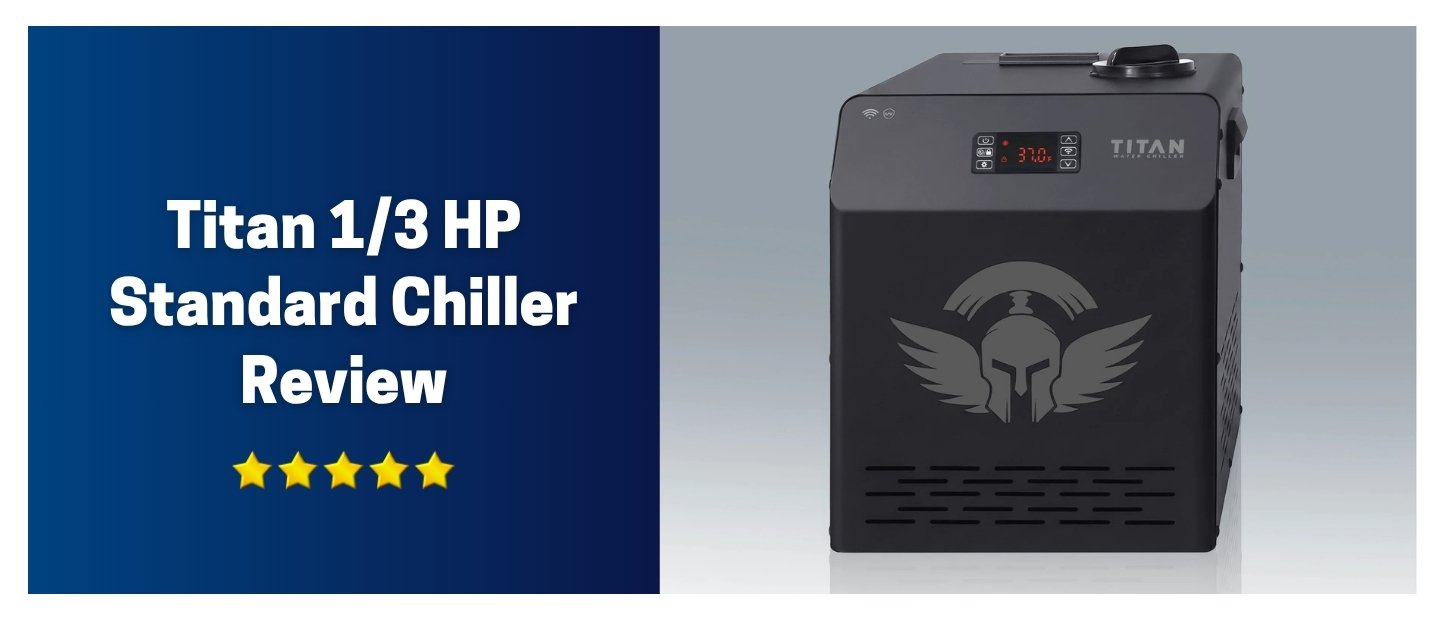
Titan 1/3 HP Standard Chiller Review: What Buyers in Mild Climates Report
The chiller decides how a cold plunge system actually performs day to day. Not the tub. Not the accessories. The…
August 3, 2026
Read More