
Date : May 18, 2026
Category: Recovery & Wellness
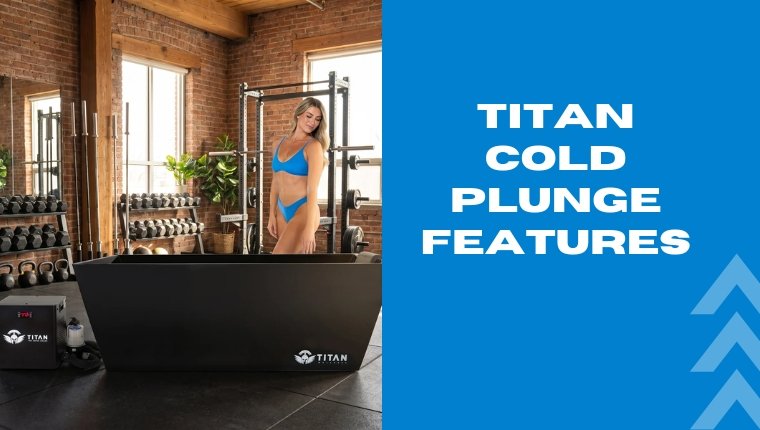
Titan Cold Plunge Features Explained: What Each One Actually Does
Most feature pages tell you what a product has. They do not tell you what any of it means. You get a bullet list. Military-grade PVC. 20-micron filtration. Three chiller options. And then nothing. Without any context and explanation of why any of it matters when you are getting in at 6 AM five days a week. This post is
Most feature pages tell you what a product has. They do not tell you what any of it means.
You get a bullet list. Military-grade PVC. 20-micron filtration. Three chiller options. And then nothing. Without any context and explanation of why any of it matters when you are getting in at 6 AM five days a week.
This post is different. It goes through the Titan cold plunge features explained in plain terms, feature by feature, with the context that truly helps you decide whether this system fits your setup and your goals.
What Is the Titan Cold Plunge System and How Does It Work?
Before getting into individual features, one thing is worth clarifying upfront. The Titan Cold Plunge is a two-part system. The tub and the chiller. The tub holds the water. The chiller cools it. The tub alone does not maintain temperature. The chiller does that job.
Titan offers five tub models: Bravo, Bravo XL, Triumph, Triumph XL, and Apex. Three chiller options pair with them: Standard 1/3 HP, Pro 1/2 HP, and Pro+ 1 HP. You pick the combination that fits your body, your space, and your climate. The system is designed for daily cold plunging. Not occasional use. That matters because every feature below was built with that frequency in mind.
Feature 1: Military-Grade Drop-Stitch PVC Construction
Every Titan tub is made from 4-inch drop-stitch PVC. This is the same material used in inflatable kayaks, paddleboards, and emergency rescue gear.
The walls are rigid. They do not flex under body weight. They do not sag after months of daily use. They hold their shape and, by extension, hold the water temperature more consistently than a thin-walled inflatable.
The PVC is also UV-resistant. You can leave the tub outside year-round without the material breaking down.
Why this matters in daily use: cheap inflatables lose shape within weeks under daily load. A deformed tub is less comfortable to sit in and less efficient at retaining cold. Titan holds its shape through regular use over months.
Feature 2: The Chiller and Cold Plunge Temperature Control
This is the feature that separates the Titan cold plunge from an ice bath. And it is the one most feature lists explain least clearly.
What temperature it reaches
All three Titan chillers cool water to 37°F (3°C). That is the lower end of the therapeutic range for cold water immersion, where blood vessel constriction, norepinephrine release, and post-workout inflammation reduction all happen reliably.
Why temperature hold matters more than temperature floor
An ice bath can start colder than a chiller. But ice melts. A session that starts at 38 degrees Fahrenheit can be at 55 degrees 15 minutes later.
The Titan chiller holds the set temperature from minute one to minute ten. A four-month Titan Cold Plunge user review noted the chiller kept water cold even after back-to-back sessions without once fluctuating. That is the kind of thing you only notice after consistent daily use, not in a one-week review.
This consistency is what produces consistent adaptation in your body over time. Variable temperature produces variable results.
The three chiller options explained plainly
- Standard 1/3 HP: 280 watts, runs on a standard 110V outlet, handles mild to moderate climates well
- Pro 1/2 HP: faster initial cooldown, better temperature maintenance under daily use in moderate climates
- Pro+ 1 HP: built for hot and humid states like Texas, Arizona, and Florida where summer ambient temps stay above 85 to 90 degrees Fahrenheit
Honest caveat: The standard chiller will struggle in hot climates. When ambient air stays above 85 to 90°F, the 1/3 HP unit runs almost constantly and still cannot hold 37 to 40°. If you live somewhere hot, the Pro+ is not an upgrade. It is the correct starting choice.
Running costs across all three are roughly 50 cents per day in electricity. About the same as a standard home freezer running continuously.
Feature 3: Built-In Filtration System and UV Sanitation
This is the feature that gets the least attention in most Titan cold plunge reviews. It is also one of the clearest performance differentiators against competitors.
The Titan system includes a 20-micron filtration system. The filter runs passively while the chiller operates, capturing fine particles and debris that would otherwise cloud the water over time.
On select models, a UV sanitation system is available as an add-on. UV deactivates bacteria in the water without chemicals.
What this means practically:
- Single users typically go 3 to 6 weeks between full water changes
- Water stays visibly clear with minimal chemical treatment
- Maintenance drops to adding a small amount of water cleaner every couple of weeks
Compare that to a setup with no filtration, like the Ice Barrel, where the water needs changing every one to two weeks to stay clean. Every extra maintenance step is a potential reason to skip a session. The built-in filtration system removes that friction.
Who this matters most for: Daily users and anyone sharing the tub with multiple people. More frequent use means faster water degradation. Good filtration directly supports the habit.
Feature 4: WiFi App Control
The WiFi app control is available on chiller models that include the WiFi connectivity option. It is worth understanding what it actually does before deciding whether you need it.
- Set the target temperature from your phone before you step outside or wake up
- Schedule sessions so the tub is already at temperature when your routine starts
- Check current water temperature remotely without going to the tub
This sounds like a convenience feature. It functions more like a habit-building tool.
Cold plunging at 6 AM is already uncomfortable enough. If you also have to wait 20 to 30 minutes for the tub to cool each morning, you start skipping days. App control means you set the temperature the night before and step in without waiting. That removes the single biggest friction point for daily plungers.
Who this matters most for: Anyone building a morning routine around cold plunging. The less setup required per session, the more likely the habit sticks long-term.
Feature 5: Ergonomic Design and Size Options
Most portable cold plunge tubs are straight-walled cylinders or rectangles. You sit upright with your back against a vertical wall.
The Titan Triumph has an angled backrest. It is a small design choice with a real impact on sessions longer than three or four minutes. An angled back means you can actually relax into the tub instead of holding yourself upright against a flat wall.
The size range is also genuinely wide:
- Bravo: compact, fits small spaces, good starting point for most users
- Bravo XL: same form factor with more interior room
- Triumph: most popular model, angled backrest, best balance of size and comfort
- Triumph XL: fits users up to 7’2″ and 400 lbs, built for bigger builds
- Apex: premium tier, designed for easier long-term cleaning and water management
Most cold plunge brands at this price offer one or two tub sizes. Titan gives you five options that actually differ in meaningful ways.
Feature 6: Active Water Circulation
This is the feature no competitor article explains properly. It is also one of the more important ones for people who plunge regularly.
When you sit in cold water, your body heat warms the water immediately surrounding your skin. Without circulation, a thin warm layer forms around you within a few minutes. The water at the other end of the tub is still at 38°F. The water touching your body is significantly warmer.
The Titan chiller actively circulates water through the tub while it runs. This breaks up that thermal layering and keeps the water temperature consistent throughout the tub.
The practical result: the temperature you set is closer to the temperature your body actually experiences. A session at 40°F feels like 40 degrees from start to finish.
Why this matters: Thermal layering is one of the reasons ice baths feel less effective over time even if the starting temperature looks good on a thermometer. Active circulation is a real performance advantage for cold plunge water circulation quality.
Feature 7: Setup, Compatibility, and Warranty
Setup
The tub inflates and is ready in roughly 20 minutes. No tools required for the tub itself. The chiller connects via standard inlet and outlet fittings.
Titan chillers also use a drop-in configuration for users without fixed connectors, which means you can use the chiller with most third-party tubs and even standard bathtubs.
Honest note on setup: The printed instructions are not great. The photos are unclear, and the QR code tutorial video launched without audio. Most users figure it out, but plan for an extra 30 to 45 minutes on setup day. Customer support picks up and helps if you get stuck.
Indoor and Outdoor Compatibility
The system works indoors and outdoors without a permanent installation. UV-resistant PVC handles year-round outdoor placement. No plumbing changes needed.
For indoor placement, the chiller produces heat exhaust. The room needs adequate ventilation, or the chiller works against its own output. A GFCI outlet nearby is required for safe electrical connection near water.
Warranty and Buyer Protections
- 2-year manufacturer warranty standard on all chillers
- 5-year extended warranty available at purchase
- 30-day return policy
- HSA and FSA eligible for US buyers
- 0% APR financing available
- Free US shipping
Multiple users on Trustpilot specifically mention Titan replacing faulty chillers under warranty without pushback. A warranty that gets honored is different from a warranty that exists on paper.
How the Features Work Together
Each Titan cold plunge feature was built to solve a specific problem that causes people to stop cold-plunging.
The chiller solves the temperature consistency problem. The filtration system solves the maintenance problem. The active water circulation solves the thermal layering problem. The WiFi app control solves the morning friction problem. The build quality solves the durability problem.
None of these features are impressive in isolation. Together, they make daily cold plunging sustainable without turning it into a part-time job. That is the actual point of Titan cold plunge features, explained as a system, not as a spec sheet.
If you want to see how all of this holds up in real daily use, the titan cold plunge review on this site covers six weeks of consistent use with honest results. If you are still deciding whether the system is worth the investment, the Is Titan Cold Plunge Worth It post breaks down the cost math clearly.
And if you want the balanced view before buying, the Titan cold plunge pros and cons post covers every real limitation alongside what works well.
Frequently Asked Questions
What temperature does the Titan Cold Plunge actually reach?
All three Titan chillers cool water down to 37°F (3°C), which sits right at the lower end of the therapeutic cold immersion range. That’s the zone where your body triggers the good stuff: norepinephrine release, blood vessel constriction, and post-workout recovery. More importantly, unlike an ice bath that starts cold and drifts warmer, the Titan chiller holds that temperature throughout your session, minute one to minute ten.
Are Titan Cold Plunges Good?
Yes, and most buyers say so after trying them. The build quality surprises people who expected less at this price. The chiller holds temperature around the clock without supervision. Customer support is hands-on, including FaceTime calls for setup. For consistent cold therapy without the ice bag hassle, Titan delivers.
Can a Cold Plunge Help With Neuropathy?
Cold therapy can temporarily reduce nerve pain and inflammation, but neuropathy makes it risky. Impaired nerve sensitivity means the body may not signal when cold is causing damage. Short, targeted sessions at mild temperatures are safer than full immersion. Always consult a neurologist before trying cold therapy with any nerve condition.
Are Cold Plunges Actually Good for You?
For most healthy adults, yes. Regular cold plunging improves recovery, sharpens focus, and supports better sleep. The key is doing it correctly. Start with 30 to 60 seconds and work up gradually. Avoid plunging right after strength training if muscle growth is the goal. The benefits are real when the approach is right.
How much does it cost to run a Titan Cold Plunge daily?
Across all three chiller models, running costs come out to roughly 50 cents per day in electricity, about the same as a standard home freezer running continuously. That works out to around $15 a month. For a system you’re using five or six days a week, that’s genuinely low overhead.
RECENT BLOGS
How to Set Up a Titan Cold Plunge Chiller (Step-by-Step Guide)
Oct. 14, 2026
What Size Titan Chiller Do You Need for Your Tub? (Sizing Guide)
Oct. 13, 2026
Titan 1/3 HP vs. 1/2 HP Chiller: Which Do You Actually Need?
Oct. 12, 2026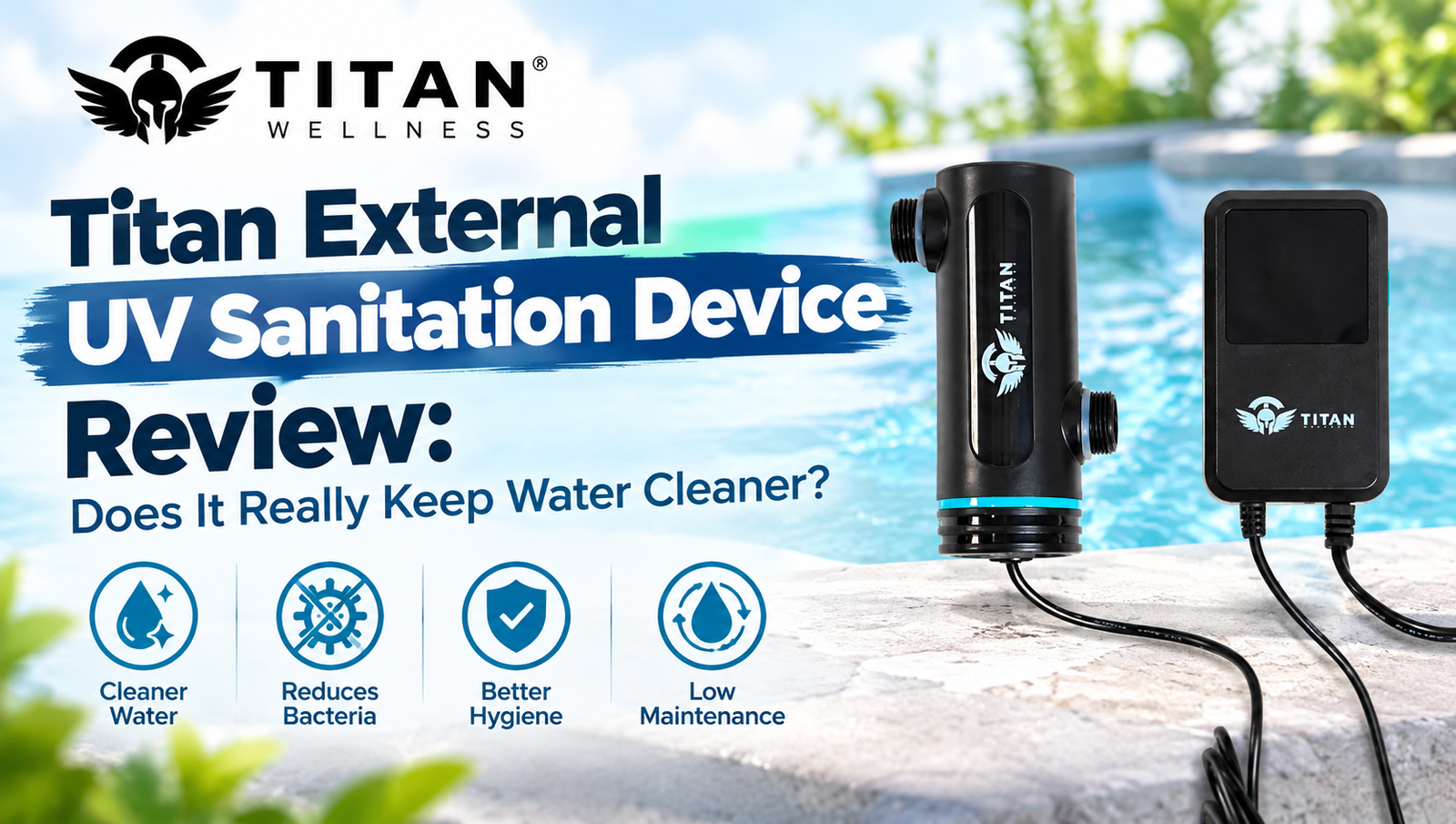
Titan External UV Sanitation Device Review: Does It Really Keep Water Cleaner?
Oct. 01, 2026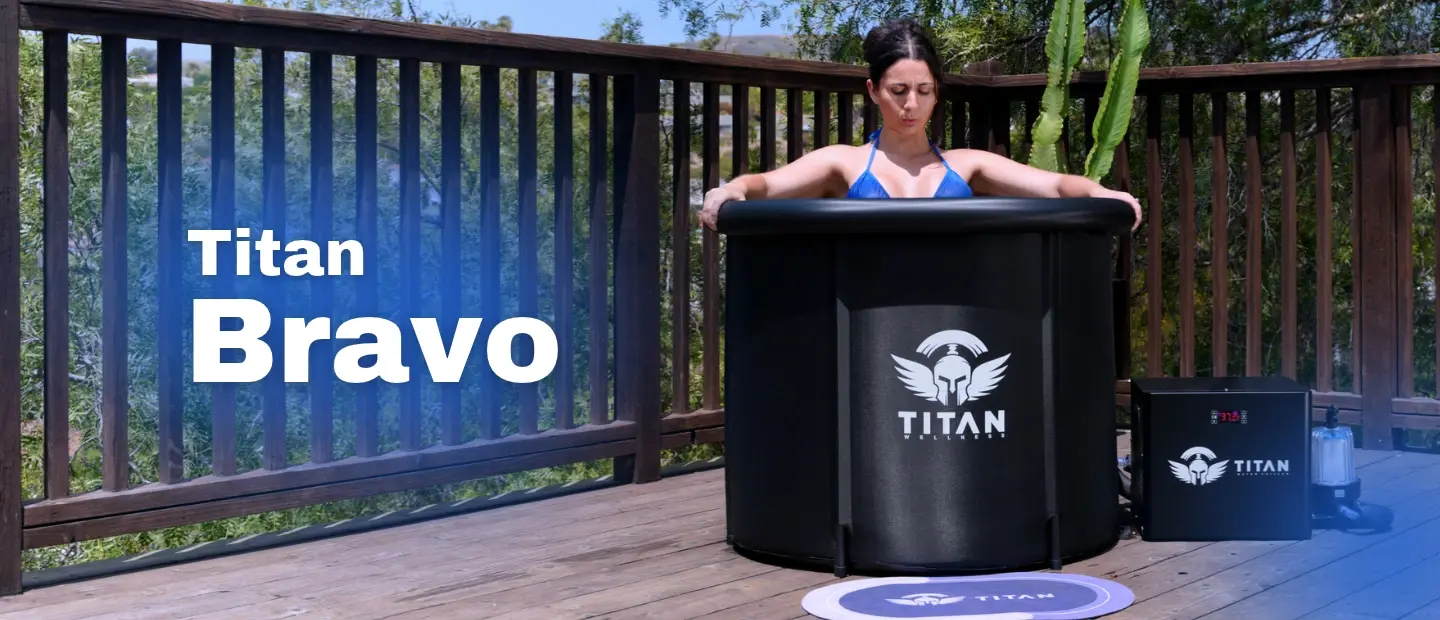
Titan Bravo Review: The Budget Pick Tested by Real Owners
Sep. 18, 2026Recent Blogs
How to Set Up a Titan Cold Plunge Chiller (Step-by-Step Guide)
Can you set up a Titan cold plunge chiller yourself? Yes. And it takes just 15 to 20 minutes. You…
October 14, 2026
Read More
What Size Titan Chiller Do You Need for Your Tub? (Sizing Guide)
Picture this. Your new tub is filled, your chiller is ready, and you are looking forward to your first plunge.…
October 13, 2026
Read More
Titan 1/3 HP vs. 1/2 HP Chiller: Which Do You Actually Need?
You have narrowed your cold plunge chiller search down to two options, and now you’re stuck. The Titan 1/3 HP…
October 12, 2026
Read More
Titan External UV Sanitation Device Review: Does It Really Keep Water Cleaner?
The Titan External UV Sanitation Device adds cold plunge UV sanitation to your water loop for $89. Customers describe clearer…
October 1, 2026
Read More
Titan Bravo Review: The Budget Pick Tested by Real Owners
The Titan Bravo is Titan Wellness’s entry-level cold plunge system: a 106-gallon inflatable cold plunge tub paired with a 1/3…
September 18, 2026
Read More
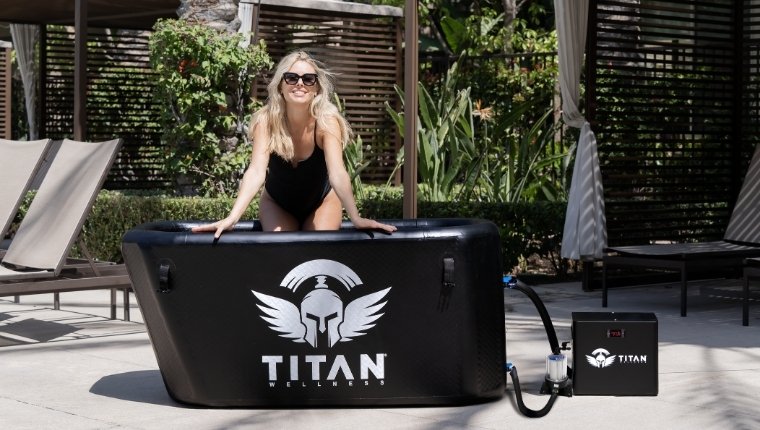
Titan Cold Plunge Chiller WiFi App Walkthrough: Every Feature Explained
The Titan Wellness cold plunge chiller WiFi app puts water temperature, session scheduling, and remote monitoring in one place, right…
September 9, 2026
Read More