
Date : June 29, 2026
Category: Recovery & Wellness
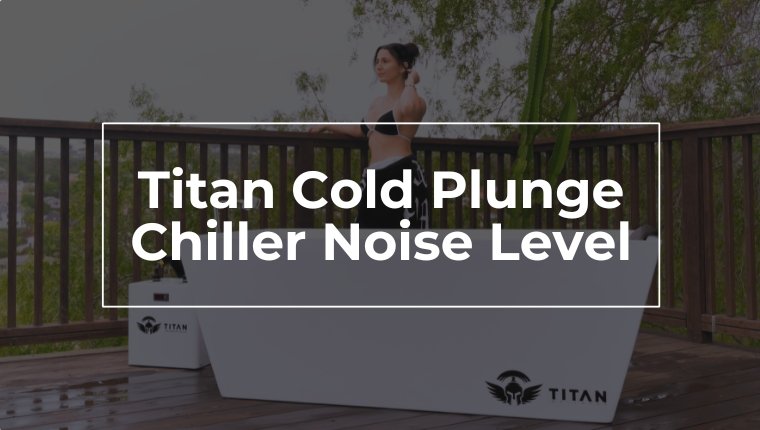
Titan Cold Plunge Chiller Noise Level: The Apartment Buyer’s Guide
Most buyers get to the checkout page and stop. Not because of the price. Not because of the specs. But because of one BIG question, they cannot find a clean answer to: How loud is this thing really? For someone living in an apartment, a condo, or a home with shared walls, the Titan Cold Plunge chiller noise level is
Most buyers get to the checkout page and stop. Not because of the price. Not because of the specs. But because of one BIG question, they cannot find a clean answer to: How loud is this thing really?
For someone living in an apartment, a condo, or a home with shared walls, the Titan Cold Plunge chiller noise level is not a minor detail. What it really is: The deciding factor. A chiller that runs loud enough to bother a neighbor or disrupt sleep somewhere becomes a problem.
This is a full breakdown of what buyers check before committing to the Titan Cold Plunge for apartment and shared-wall setups. It covers real decibel data, vibration concerns, scheduling options, and what users report after living with this system.
Why Noise Is a Bigger Deal in Apartments Than Open Homes
In a detached house, a chiller running at 50 dB is barely noticeable, and we all know that. But it’s totally different in an apartment. Where the same sound travels through thin walls, shared floors, and common ventilation systems. And the acoustic environment is completely different.
Traditional commercial cold plunge chillers often run at 65 decibels or higher. That is roughly the level of a loud conversation. In an apartment building, a sound at that level running on a balcony or in a bathroom can carry to the unit next door or the flat below with no effort at all.
Apartment buyers also deal with two concerns that detached homeowners rarely think about: floor vibration transfer and floor weight limits. A filled cold plunge tub weighs roughly 1,000 lbs. That load, combined with any mechanical vibration from a chiller, creates a real structural consideration before setup even begins.
This is why buyers in these living situations research cold plunge chiller sound far more carefully than buyers with open outdoor spaces. Because at that time the question is not just about comfort, like how you feel or how much it suits your daily routine. It is about being a reasonable neighbor.
Titan Cold Plunge Chiller Noise Level by Model
Titan offers three chiller models. Each has a different power rating, a different cooling capacity, and a different noise output. The Titan chiller decibel level varies model by model. And for apartment buyers, knowing which model fits their space is important as much as knowing the price for the same.
All measurements are taken at approximately 3 feet from the unit during normal operation, as published by Titan Wellness.
Standard (1/3 HP) – 40 to 45 dB
- The quietest model in the lineup.
- At 40 to 45 dB, it operates at roughly the same level as a running kitchen refrigerator.
- Designed for climates up to 85 degrees Fahrenheit.
- This is the model most apartment and balcony buyers gravitate toward when noise sensitivity is the primary concern.
- At this decibel range, it is unlikely to be audible through a shared wall during daytime hours.
Pro (1/2 HP) – 50 to 55 dB
- A step up in cooling power and a modest step up in sound.
- At 50 to 55 dB, it runs at a level comparable to a dishwasher operating in an adjacent room.
- Recommended for climates above 85 degrees Fahrenheit, where the standard model would struggle to hold temperature.
- Most users find this level manageable for indoor or outdoor residential use.
- Still comfortable for balcony use when neighbors are not in close proximity.
Pro+ (1 HP) – 50 to 60 dB
- The most powerful model, built for extreme heat environments and large tubs.
- At 50 to 60 dB, it runs at a level similar to a quiet conversation or a standard household air conditioning unit.
- The higher airflow and compressor demand mean noise output is less predictable during peak cooling cycles.
- Better suited for garages, patios with distance from walls, or wellness rooms with sound insulation.
- For strict apartment or shared-wall setups, this model requires more planning around placement and scheduling.
One thing that makes a real difference for apartment users: Titan chillers do not run continuously. The system cycles on and off automatically to maintain the set water temperature. That means peak noise only happens during active cooling phases, not around the clock. For many apartment buyers, this cycle-based operation is what makes the system workable.
What Apartment Buyers Really Check Beyond Just Sound
Cold plunge noise apartment concerns go beyond the chiller’s decibel rating. Buyers who live in shared buildings run through a checklist of questions before committing. Here are the four that come up most consistently.
1. Vibration Transfer Through the Floor
For apartment dwellers, the fear is not always the airborne sound. It is the mechanical vibration traveling through the floor into the unit below. A chiller with a strong compressor can generate low-frequency vibration that is felt even when it is not heard.
Titan’s tubs use drop-stitch military-grade PVC and Roto-molded materials that absorb a significant portion of mechanical vibration before it reaches the floor. Users who have placed a high-density rubber gym mat or anti-vibration pads under the chiller unit report zero floor vibration transfer in their setups.
This is the single most common tip shared in cold plunge communities for apartment-specific installs: place a rubber mat under the chiller before the first session, not after a noise complaint.
2. Night-Time Noise and Sleep Disruption
A chiller cycling on at 2 AM in a quiet apartment feels louder than the same sound at noon. Perceived loudness scales with the ambient environment around it. This is a known concern for buyers who do their cold plunge sessions in the evening and want the system to maintain temperature overnight.
Titan Cold Plunge night use noise is handled through the built-in WiFi and app controls. Buyers can set a cooling schedule so the chiller does its heavy work during daytime hours. Once the water reaches the target temperature, maintenance cycles are short and infrequent. Setting the system to idle mode or off during sleep hours eliminates the nighttime noise concern entirely.
3. Water Circulation and Filtration Sounds
DIY cold plunge setups often produce trickling and sloshing sounds from exposed hoses or open-loop filtration systems. Buyers who have experienced these setups sometimes assume all cold plunge systems produce the same type of noise.
The Titan Cold Plunge uses a closed-loop filtration system. Water circulates underwater through the integrated 20-micron filter and UV sanitation unit. There is no open splash, no continuous trickle from exposed tubing, and no sloshing sound during operation. Cold plunge chiller fan noise is the primary sound source, not the water system.
4. Floor Weight Limits
Floor weight is a separate concern from noise, but apartment buyers check both before committing. A fully filled Titan tub comes in at around 1,000 lbs. And if we talk about residential floors, then they generally support 40 to 50 lbs per square foot. But the actual rating depends on the building, floor type, and how old the construction is.
Also, a quick conversation with the building manager or a structural engineer before setup can make a great impact. As it removes any uncertainty. Corners and load-bearing wall sections handle concentrated weight better than open floor spans.
What Real Users Say About the Titan Cold Plunge Noise Level
Across Trustpilot reviews and community forums, apartment buyers and balcony users are consistently reporting that the Titan Cold Plunge chiller operation sound is not a dealbreaker for them. The Standard model, in particular, draws comparisons to a running refrigerator from buyers who have tested it in small indoor spaces.
One buyer running the 1/2 HP Pro model in Arizona through 100-plus degree summers noted that the chiller maintained temperature without generating the kind of escalating noise that cheaper units produce under heat stress. The sound stayed consistent. That consistency matters to apartment users because unpredictable noise is harder to manage than a steady hum.
Users who have placed the Titan Triumph bundle on apartment balconies report that neighbors on the other side of the shared wall were not aware the system was running. For a more detailed look at how the Triumph and other bundles perform over time, the Titan chiller performance review on this site covers long-term use data.
Buyers looking for the most space-efficient setup will find more detail in the Titan Cold Plunge for small spaces guide, which covers placement options specific to tight indoor environments.
One honest note worth including: at least one buyer mentioned the chiller noise as a minor complaint in their review, calling it noticeable but not a dealbreaker. That is accurate for the Pro+ model in particular. The 1 HP unit produces more sound than the Standard under load, and buyers in highly noise-sensitive apartments should factor that in when selecting a model.
Apartment Buyer Checklist Before Setting Up Titan Cold Plunge
This checklist is based on what apartment buyers consistently verify before placing an order and before setup day. Going through it early prevents problems that are harder to fix after the unit arrives.
- Confirm floor weight capacity with the building manager. A filled tub weighs roughly 1,000 lbs.
- Pick the right chiller model for the climate. Cooler climates work well with the Standard 1/3 HP for lowest noise. Hot climates above 85 degrees need the Pro model.
- Place a rubber gym mat or anti-vibration pads under the chiller before first use. This eliminates most vibration complaints.
- Use the Titan app to schedule daytime cooling. Set the chiller to idle or off by late evening.
- Keep the chiller at least 1 to 2 feet from any shared wall to reduce sound transmission.
- Check the Titan Cold Plunge setup guide for ventilation and placement details before finalizing the spot.
- Review apartment bylaws for appliance noise limits. Most areas allow under 60 dB during residential hours.
For buyers building a morning routine, the Titan Cold Plunge morning routine guide covers how to pre-schedule the tub temperature so it is ready without an early cooling cycle.
Is Titan Cold Plunge Worth It for Apartment Living? An Honest Take
The Standard Titan chiller runs at 40 to 45 dB, quieter than most refrigerators. The noise concerns around cold plunge systems come from commercial units and DIY builds.
The Standard and Pro models work well for apartments when placed correctly with rubber vibration pads. The scheduling feature handles nighttime noise by limiting active cooling to daytime hours.
The Pro+ 1 HP model is built for performance, not quiet operation. High noise-sensitivity apartments are better served by the Standard or Pro.
Titan Wellness 30-day return window lets buyers test the system in their actual space before committing fully.
Frequently Asked Questions About Titan Cold Plunge Noise Level
Q1. Is the Titan Cold Plunge chiller quiet enough for an apartment balcony or a shared-wall setup?
Yes. The Titan Standard chiller operates between 40 and 45 dB. At a level that is comparable to a kitchen refrigerator. It produces a low, steady hum rather than a sharp mechanical sound. In typical urban ambient noise conditions, it will not be audible to neighbors on the other side of a shared wall. The Pro model at 50 to 55 dB is still within a range that most apartment buildings consider acceptable during daytime hours.
Q2. Does the Titan Cold Plunge vibrate through the floor and disturb the unit below?
The Titan chiller is structurally stable and produces minimal mechanical vibration under normal operation. For apartment floors, particularly wooden or older construction, placing a high-density rubber gym mat or anti-vibration pads under the chiller unit is the standard solution that users report fully eliminates floor vibration transfer. This is a simple and low-cost fix that is recommended before the first use, not after.
Q3. Can the Titan Cold Plunge be scheduled to stay silent at night?
Yes. The Titan Cold Plunge comes with built-in WiFi connectivity and an app that gives users full scheduling control. Buyers can program the system to complete active cooling cycles during the day and switch to idle mode or turn off entirely during nighttime hours. This means the chiller is not cycling during the quietest part of the day. Most apartment users set the schedule so that the water is at target temperature by early evening and the system holds passively through the night.
Q4. Does the water filtration system inside the Titan tub make trickling or sloshing sounds?
No. Unlike DIY stock tank setups where hoses run over the side and water recirculates openly, the Titan Cold Plunge uses a closed-loop filtration system. Water moves through the integrated filter and UV sanitation unit below the waterline. There is no exposed trickle, no splash from re-entry, and no sloshing during the filtration cycle. The cold plunge chiller fan noise is the primary sound the system produces, and the water movement itself is silent.
RECENT BLOGS
Titan External UV Sanitation Device Review: Does It Really Keep Water Cleaner?
Oct. 01, 2026
Titan Bravo Review: The Budget Pick Tested by Real Owners
Sep. 18, 2026
Titan Cold Plunge Chiller WiFi App Walkthrough: Every Feature Explained
Sep. 09, 2026Titan Cold Plunge After 1 Year: What Long-Term Owners Actually Report
Aug. 14, 2026
Titan Sauna Duo-Therapy Pro Review: What Buyers Actually Say
Aug. 13, 2026Recent Blogs
Titan External UV Sanitation Device Review: Does It Really Keep Water Cleaner?
The Titan External UV Sanitation Device adds cold plunge UV sanitation to your water loop for $89. Customers describe clearer…
October 1, 2026
Read More
Titan Bravo Review: The Budget Pick Tested by Real Owners
The Titan Bravo is Titan Wellness’s entry-level cold plunge system: a 106-gallon inflatable cold plunge tub paired with a 1/3…
September 18, 2026
Read More
Titan Cold Plunge Chiller WiFi App Walkthrough: Every Feature Explained
The Titan Wellness cold plunge chiller WiFi app puts water temperature, session scheduling, and remote monitoring in one place, right…
September 9, 2026
Read More
Titan Cold Plunge After 1 Year: What Long-Term Owners Actually Report
Most Titan Cold Plunge owners who have used the system daily for a year say the chiller still holds its…
August 14, 2026
Read More
Titan Sauna Duo-Therapy Pro Review: What Buyers Actually Say
Buyers keep asking the same question: Is the Titan Sauna Duo-Therapy Pro worth $649? So, for most home users, the…
August 13, 2026
Read More
Titan 1/2 HP Universal Cold Plunge Chiller: What Buyers Say About the Most Popular Chiller
The chiller is the part of a cold plunge system that decides whether the tub actually gets used. Not the…
August 4, 2026
Read More