
Date : June 16, 2026
Category: Recovery & Wellness
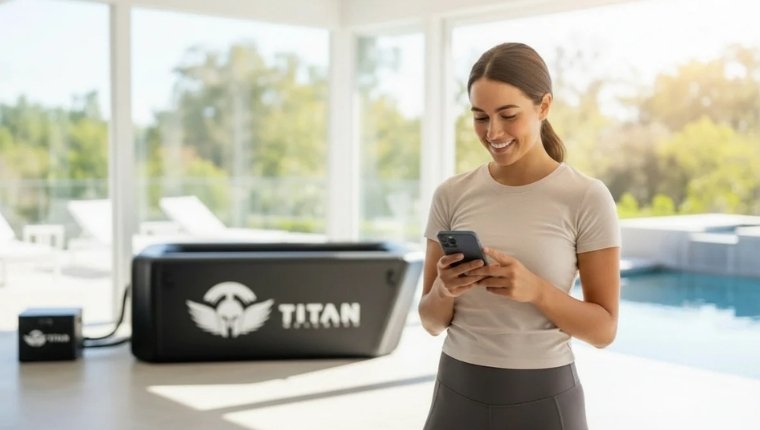
Titan Cold Plunge Chiller Performance: What Buyers Notice After Regular Use
Most cold plunge chiller reviews are written in the first week. The packaging is fresh, the water is cooling down for the first time, and everything feels new. That window tells buyers almost nothing about what matters most. What actually matters is what happens after daily use. Does the cold plunge water chiller system hold its temperature when the ambient
Most cold plunge chiller reviews are written in the first week. The packaging is fresh, the water is cooling down for the first time, and everything feels new. That window tells buyers almost nothing about what matters most.
What actually matters is what happens after daily use. Does the cold plunge water chiller system hold its temperature when the ambient heat rises? Does the noise become an issue indoors? What does it cost to run month after month?
These are the questions buyers keep asking about Titan Wellness chillers. This review pulls from verified buyer reports, expert testing, and real usage data to answer them.
Does the Titan Cold Plunge Chiller Actually Hold Temperature?
The first thing buyers test is cooling speed. How well does the Titan Cold Plunge chiller cool water from a warm starting point, and does it stay there once it arrives?
Users in warm climates consistently report that the chiller pulls water down to around 39°F in roughly two hours. One buyer using the system in a hot climate noted the unit reached a crisp 39°F and maintained it without effort, with the built-in filtration keeping water clear for weeks.
That pull-down speed is only half the story. The more important question is consistency. Cold plunge chiller consistent temperature performance matters most for people plunging daily because body heat and ambient air both work against the system during and after each session.
Independent testing from Garage Gym Reviews found virtually zero temperature fluctuation during extended recovery sessions. The Titan Cold Plunge chiller performance held steady across repeated use, which is exactly what daily users need.
The 1/2 HP Pro model is the unit most relevant here. It runs a 1,400W compressor and is rated for climates above 85°F. In larger tubs or warmer environments, it outperforms the 1/3 HP Standard on both pull-down speed and temperature hold.
The ozone and 20-micron filtration system plays a supporting role. Water that circulates cleanly through a working filter stays at temperature more reliably. Buyers who maintain the filter on schedule report consistent results over months of daily use.
Cold Plunge Chiller Noise Level: Can You Actually Live With It?
Noise is a bigger concern than most buyers expect before purchasing. Once the chiller is running daily, especially indoors or in a garage, the sound level becomes part of everyday life.
The Titan cold plunge chiller 1/2 HP runs at around 50 to 55 dB during normal operation. That puts it in the same range as a dishwasher running in the next room. It is not silent, but it is not disruptive either.
People who have used chillers at the gym or recovery centers say the Titan is really quiet. One verified Trustpilot reviewer noted the unit runs quietly enough that app-based scheduling became part of their morning routine, turning the chiller on remotely before waking up.
The 1/3 HP Standard sits lower at around 40 to 45 dB, which is close to a household refrigerator. The 1 HP Pro+ runs slightly louder at 50 to 60 dB due to its stronger compressor output.
For garage setups, the noise is rarely a complaint. A Reddit user from the r/coldplunge community shared that after six months of daily use in a garage, the Titan chiller handled high ambient temperatures without issue and remained consistent throughout. The motor noise in that context was not flagged as a problem at all.
Placement makes a difference. On a hard floor surface, a vibration mat under the unit reduces perceived noise. Keeping it a few feet from seating or sleep areas also helps
What the Titan Chiller Actually Costs to Run Each Month
Cold plunge chiller energy cost per month is one of the least covered topics in most reviews. Buyers want a real number, not a vague reassurance that it is energy efficient.
Here is what the data shows based on Titan’s own specifications and standard US electricity rates:
- 1/3 HP Standard: roughly $15 to $24 per month at typical usage
- 1/2 HP Pro: roughly $21 to $33 per month
- 1 HP Pro+: roughly $30 to $45 per month
These numbers assume moderate ambient conditions around 77°F and the unit set to approximately 46°F. In hotter climates or with less insulated tubs, the compressor works harder and costs edge toward the top of those ranges.
To put it in perspective, five cold plunge sessions per week using 15 to 40 pounds of ice each time costs more than the monthly energy bill for the chiller. Most buyers who switch from ice to a chiller see the system pay for itself within three to four months.
Tub insulation and lid discipline make a real impact. A well-insulated tub with a secure cover loses temperature slowly, which means the compressor cycles on less often and draws less power overall.
What Buyers Report About the Titan Cold Plunge Chiller After Regular Use
Across verified reviews, expert testing, and community discussion, three themes show up consistently for buyers who have used the Titan Cold Plunge chiller beyond the first few weeks.
First is thermal pull-down reliability. Buyers in warm and hot climates report that the chiller consistently reaches target temperatures without manual adjustment. The 1/2 HP motor handles 100-gallon tubs in warm garage environments without strain, based on community reports from long-term users.
Second is water quality. The 20-micron filtration system and optional UV sanitation keep water clear and clean for extended periods. Buyers report changing water less often than expected and spending minimal time on upkeep.
Third is the app integration. WiFi-based control and scheduling gets called out repeatedly as a practical feature rather than a novelty. Buyers schedule sessions the night before, wake up to water that is already at temperature, and simply get in. For people building a consistent cold plunge habit, that kind of low-friction routine matters.
Long-term durability is also worth noting. Users at the six-month mark across Reddit and review platforms consistently describe the unit as reliable with no major maintenance issues flagged in the positive review tier.
For a broader look at how the system holds up over time, the Titan Cold Plunge After 6 Monthsreport on this site covers long-term user data in detail. For buyers still comparing options, the Titan Cold Plunge vs basic and high-end setups breakdown offers useful context.
The Bottom Line
For buyers using a cold plunge system daily, paper specs matter less than real-world consistency. Cooling speed, temperature hold, noise tolerance, and running cost are what determine whether a chiller becomes a long-term fixture or a source of friction.
Based on verified buyer reports and independent testing, the Titan Cold Plunge chiller review picture is strong on all four points. The 1/2 HP Pro in particular earns consistent marks from serious daily users in warmer climates where chiller performance is tested hardest.
Titan Wellness positions the chiller as a daily-use tool, and the buyer data backs that positioning up.
Frequently Asked Questions
How quickly does the Titan Cold Plunge chiller cool water from room temperature?
The 1/2 HP model brings water from approximately 77°F down to the low 40s overnight on first use. Buyers in Arizona and Texas specifically confirm the unit maintains those temperatures through summer heat without manual adjustment. A YouTube reviewer documented this exact pull-down on first use and noted the chiller stayed steady and surprisingly quiet from that point forward.
Does the Titan Cold Plunge chiller completely replace the need for bagged ice?
Yes, based on long-term buyer reports. One Reddit user described using the same unit daily for over a year with no failures. Another buyer noted setup was straightforward and the unit keeps the tub cold continuously, eliminating ice purchases entirely. The 24/7 cooling cycle means water is always at the set temperature before a session begins, with no prep work required.
How much clearance space does the Titan Chiller actually need?
Three feet in front of the vents, no negotiating on that. The compressor pulls in a constant stream of air to stay cool, and if something is blocking that path, it starts working against itself. Performance drops, heat builds up, and the warranty takes a hit. Give it space and it runs clean.
Does it need its own dedicated outlet?
It has its own outlet, not a special one. If other appliances are already using that circuit, the compressor’s start-up current surge could cause them to trip the breaker without warning. Setting up a dedicated GFCI outlet is incredibly inexpensive and gets rid of that problem before it even starts.
How often do the filters actually need replacing?
Quick rinse every 30 days, full cartridge swap every 60 to 90. That is the schedule, and it matters more than most buyers expect. A clogged filter quietly kills water flow and throws off cooling consistency. Most people who complain about chiller performance have not touched their filter in three months. Check it first, always.
What is that buzzing sound and why is the flow so weak?
Start with the filter because that is the answer most of the time. Pull it out, rinse it, put it back. If water flow recovers, that was the problem. If it stays weak, air is trapped somewhere in the system. A slight tilt of the unit or a quick purge cycle usually pushes it out fast.
Can the app actually schedule the chiller automatically?
Yes, and once buyers figure this out, they never go back to manual. Program it to shut off overnight and restart an hour before the morning session. Wake up, walk out, water is already at temperature. No waiting, no guesswork. For anyone serious about making cold plunging a daily habit, that scheduling feature is genuinely transformational.
RECENT BLOGS
Titan Bravo Review: The Budget Pick Tested by Real Owners
Sep. 18, 2026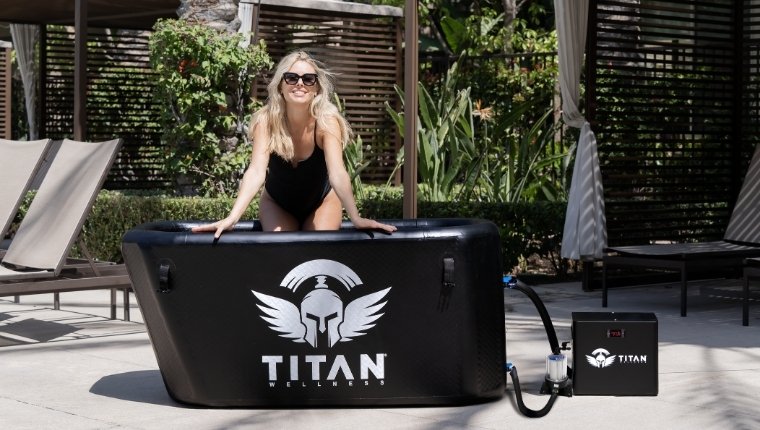
Titan Cold Plunge Chiller WiFi App Walkthrough: Every Feature Explained
Sep. 09, 2026Titan Cold Plunge After 1 Year: What Long-Term Owners Actually Report
Aug. 14, 2026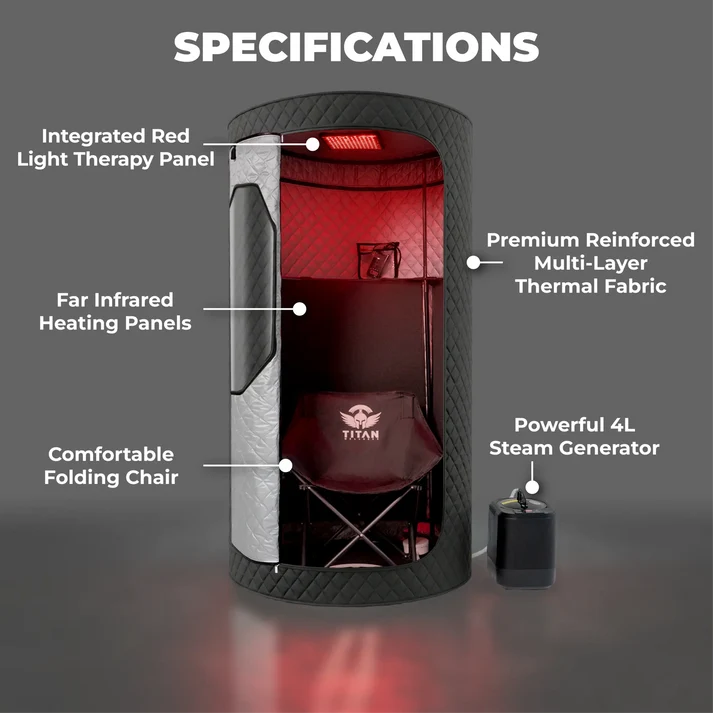
Titan Sauna Duo-Therapy Pro Review: What Buyers Actually Say
Aug. 13, 2026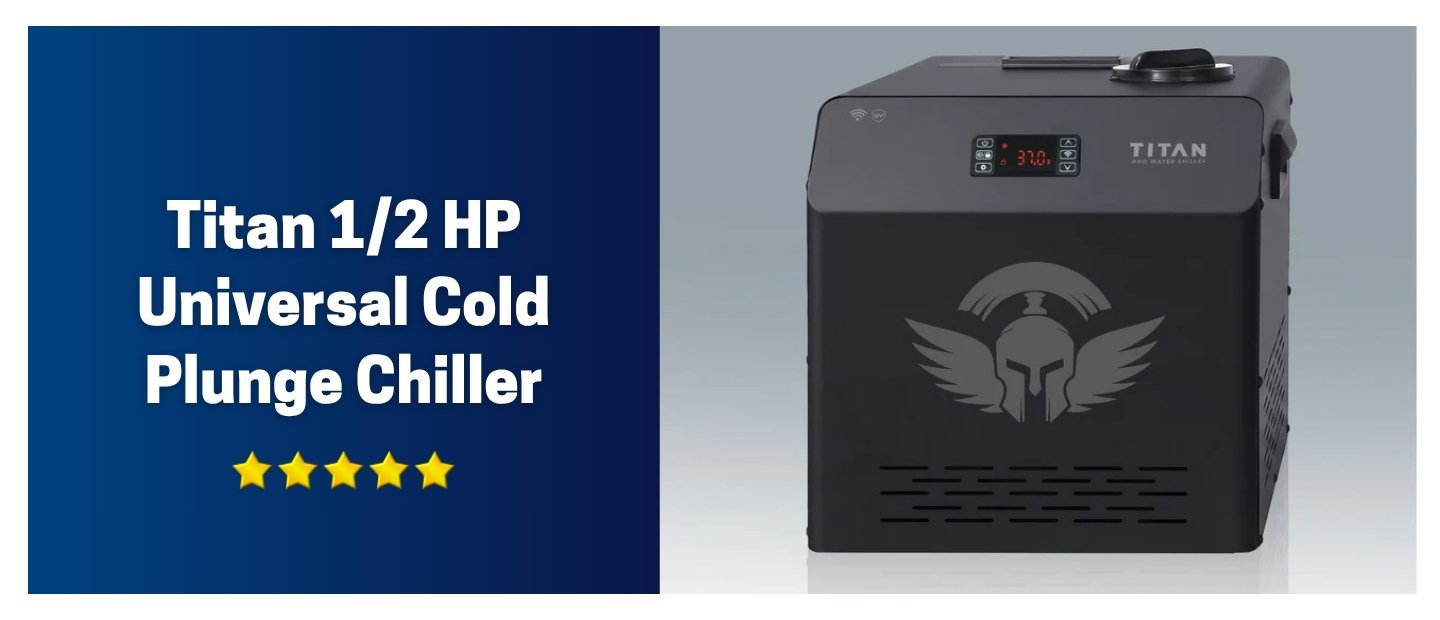
Titan 1/2 HP Universal Cold Plunge Chiller: What Buyers Say About the Most Popular Chiller
Aug. 04, 2026Recent Blogs
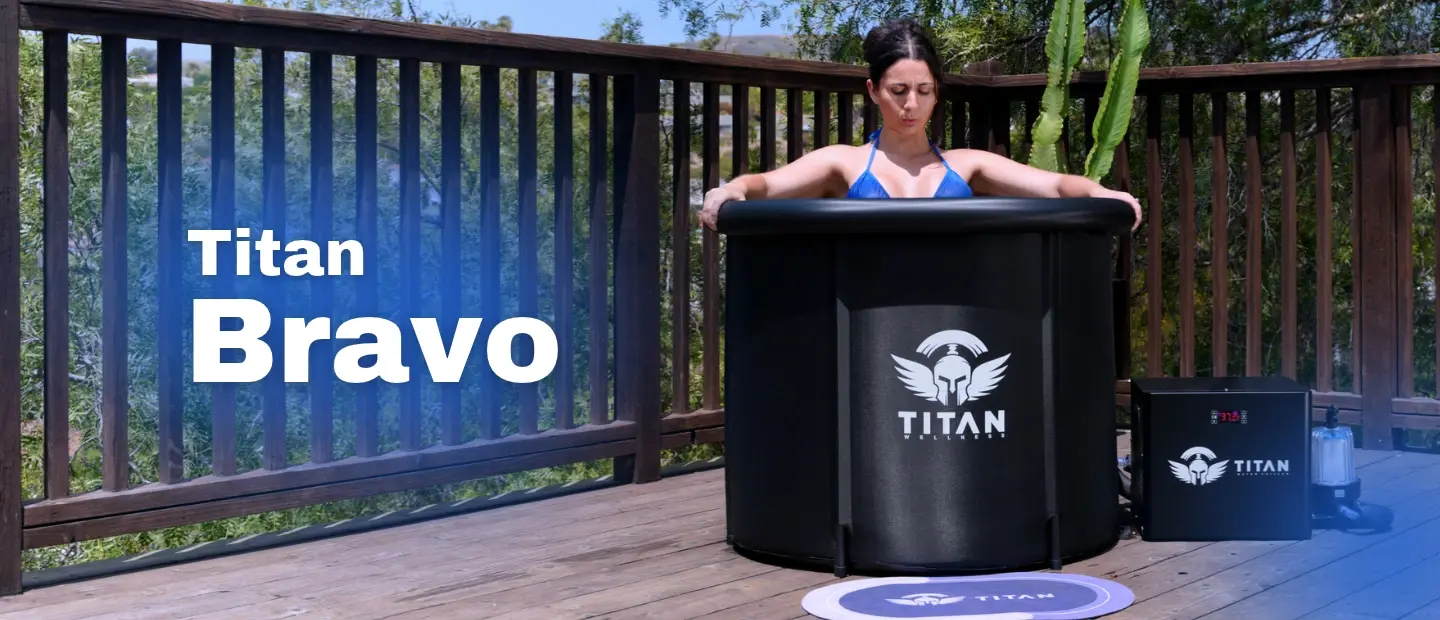
Titan Bravo Review: The Budget Pick Tested by Real Owners
The Titan Bravo is Titan Wellness’s entry-level cold plunge system: a 106-gallon inflatable cold plunge tub paired with a 1/3…
September 18, 2026
Read More
Titan Cold Plunge Chiller WiFi App Walkthrough: Every Feature Explained
The Titan Wellness cold plunge chiller WiFi app puts water temperature, session scheduling, and remote monitoring in one place, right…
September 9, 2026
Read More
Titan Cold Plunge After 1 Year: What Long-Term Owners Actually Report
Most Titan Cold Plunge owners who have used the system daily for a year say the chiller still holds its…
August 14, 2026
Read More
Titan Sauna Duo-Therapy Pro Review: What Buyers Actually Say
Buyers keep asking the same question: Is the Titan Sauna Duo-Therapy Pro worth $649? So, for most home users, the…
August 13, 2026
Read More
Titan 1/2 HP Universal Cold Plunge Chiller: What Buyers Say About the Most Popular Chiller
The chiller is the part of a cold plunge system that decides whether the tub actually gets used. Not the…
August 4, 2026
Read More
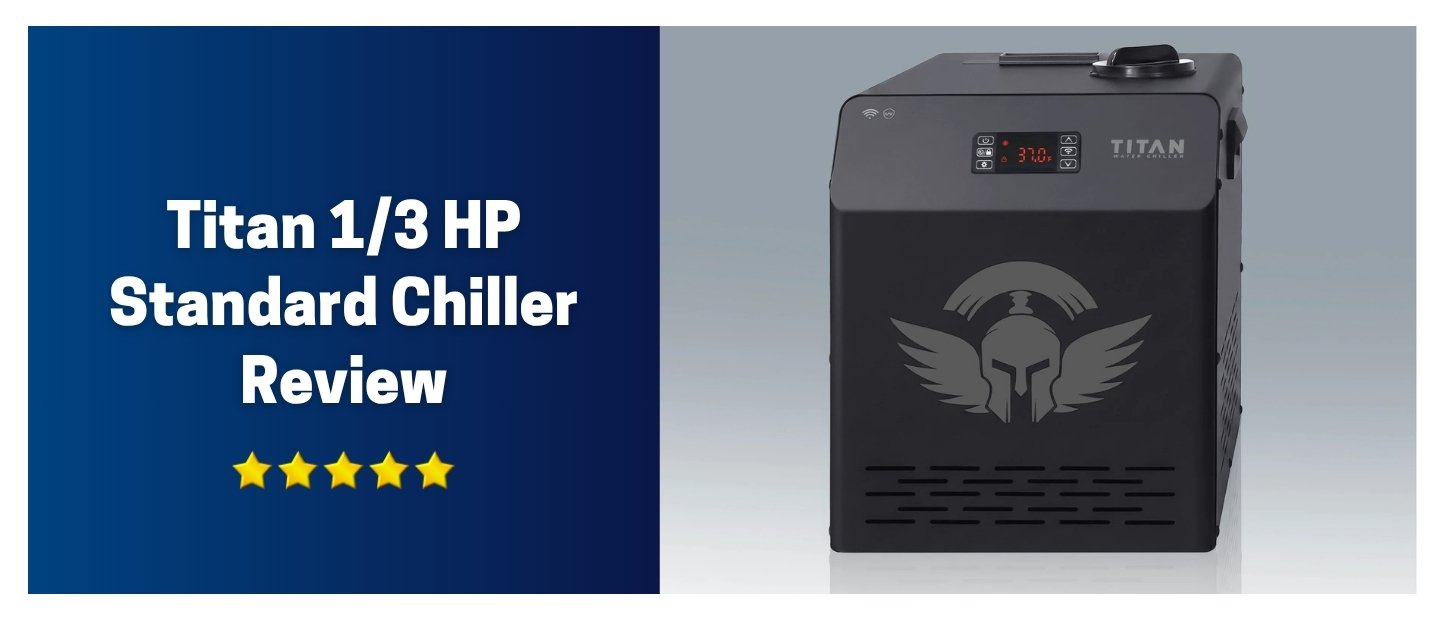
Titan 1/3 HP Standard Chiller Review: What Buyers in Mild Climates Report
The chiller decides how a cold plunge system actually performs day to day. Not the tub. Not the accessories. The…
August 3, 2026
Read More